
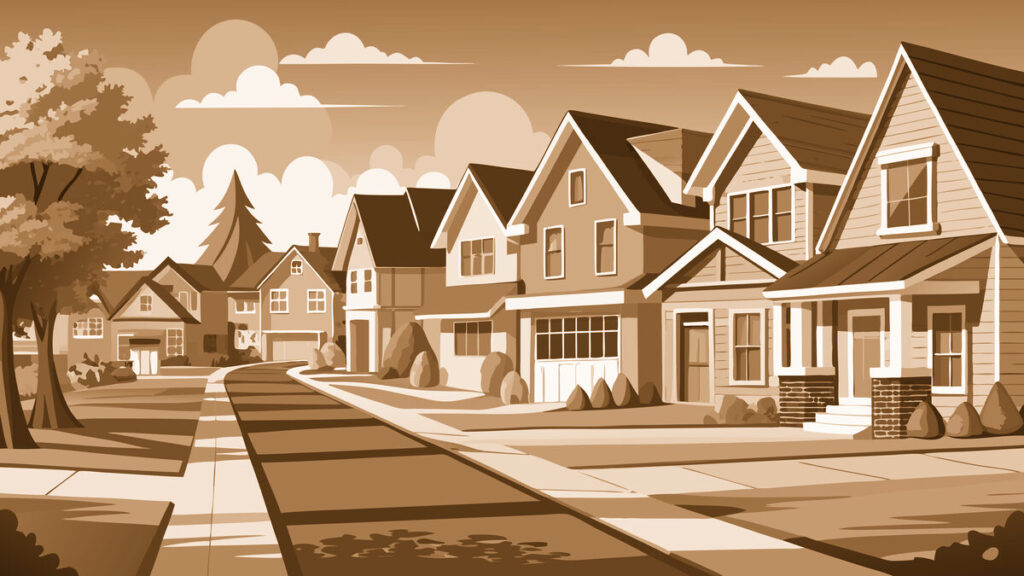
Nestled just south of downtown Clarkston, the Oakhurst neighborhood has earned a reputation as one of Oakland County’s most picturesque and community-focused communities. With tree-lined avenues, well-preserved architecture, and a unique history, Oakhurst offers more than beautiful homes — it offers a sense of belonging and legacy. For residents and visitors alike, exploring Oakhurst’s past provides a sense of place and appreciation for how this neighborhood has grown into a cherished part of Clarkston.
The Origins of Oakhurst: A Woodland Beginning
Oakhurst’s story begins in the early 20th century, when Oakland County was a patchwork of farmland, orchards, and dense wild woods dotted with small lakes. Records indicate that land encompassing what is now Oakhurst was originally part of extensive oak groves, influencing its eventual naming. The gently rolling terrain and mature oaks attracted early settlers who wanted to blend rural serenity with access to the growing village of Clarkston.
In the 1920s and 1930s, as Detroit’s automobile industry exploded, Clarkston became popular for “country living” within commuting distance of the city. Families seeking fresh air and natural beauty looked to the area between Andersonville Road and Waldon Road. What is now the Oakhurst neighborhood was first platted in the mid-1930s, with streets like Oakhurst Lane and Oakmont Drive hinting at the woodland heritage that defined the landscape.
How Oakhurst Got Its Name
There’s a certain poetry to the name “Oakhurst.” Local lore says the name was coined in a community meeting in 1934, where longtime Clarkston residents and new arrivals gathered to discuss the development of the neighborhood. “Oak” for the towering native trees, and “hurst,” an old English word meaning a wooded rise or hill, together conjured the image of oak-crowned ridges — a fitting description for the area’s gently rolling topography.
Oakhurst quickly became more than an address; it was a symbol of preserving natural beauty and creating a neighborhood with identity. Early promotional flyers promised homebuyers “gracious living among the oaks,” a promise that helped shape Oakhurst’s enduring character.
Key Historical Milestones
- 1930s–1940s: Founding and Growth
Oakhurst’s earliest homes were modest cottages and bungalows, many built by hand or with the help of family and friends. With World War II came an influx of new families, and Oakhurst’s suburban charm began to take shape.
- 1950s–1970s: Suburban Flourish
Postwar prosperity led to more substantial residences with broad lawns and updated amenities. Streets such as Oakhurst Lane, Oakmont Drive, and Oakview Trail filled out with neat, ranch-style homes and a few mid-century modern designs. Community events — including the annual Fourth of July parade — began, cementing Oakhurst’s friendly reputation.
- 1980s–1990s: Preservation and Community Spirit
As Clarkston’s popularity rose, Oakhurst residents advocated to maintain the neighborhood’s green spaces and historic character. The creation of Oakhurst Park, a leafy pocket park along Oakmont Drive, provided families with picnic areas, a playground, and walking paths.
- 2000s–Present: Harmonizing Heritage and Modern Living
Recent decades have brought ongoing home restoration and tasteful renovations. The Oakhurst Neighborhood Association, founded in 2001, champions tree planting initiatives and neighborhood beautification, ensuring that street names like Oakview and Forest Hill still reflect the area’s original beauty.
Notable Landmarks and Buildings
While Oakhurst is primarily residential, it boasts several landmarks that root it in Clarkston’s broader history:
- Oakhurst Park: Located at the heart of the neighborhood, this pocket park is a beloved gathering place. Majestic oaks provide shade over well-used benches, and each spring, residents say you can spot the descendants of the very oaks that inspired Oakhurst’s name.
- The Oakhurst Clubhouse: One of the original communally built structures from the early 1940s, the Clubhouse on Oakmont Drive still hosts neighborhood meetings, book clubs, and celebrations.
- Historic Bungalows: Several homes on Oakhurst Lane and Eastwood Drive date back to the 1930s. Painted in heritage colors, these cottages serve as living reminders of the area’s origins and where many multigenerational families trace their roots.
- Proximity to Downtown Clarkston: While technically just outside the city’s historic district, Oakhurst is a quick stroll to Main Street institutions such as the Clarkston Union Bar & Kitchen, Clarkston Historic Depot, and Depot Park — making it easy for neighbors to enjoy both small-town energy and natural peace.
Evolution Through the Decades
Oakhurst is, above all else, a neighborhood that has evolved gracefully. Walking along its wide, shaded sidewalks, it’s easy to spot vestiges of the past alongside evidence of renewal:
- Original stone walls and mailboxes preserved as sentimental landmarks.
- Carefully maintained 1940s and 1950s homes alongside newer renovations that honor the old, with craftsman trim and oak-accented gardens.
- Annual events like the Oakhurst Autumn Fest and spring cleanup days reinforce resident pride and togetherness.
The demographic of Oakhurst has also evolved — where once it was dominated by commuters from Detroit’s auto plants, today it includes young families, artists, and retirees. Everyone shares a commitment to maintaining the area’s tranquil atmosphere, green canopy, and tradition of neighborliness.
What Makes Oakhurst Special Today
Oakhurst’s greatest legacy may be its balance: of past and present, nature and community, Clarkston’s best amenities and timeless small-town charm. Residents often say it’s the “front porch conversations” and “open picnic tables” that distinguish Oakhurst from any ordinary subdivision.
For newcomers or visitors exploring Clarkston, a walk through Oakhurst is an invitation to experience a slower pace and a place where heritage is treasured — not just in architecture or street names, but in the warmth and spirit of those who call it home.
Whether it’s watching sunsets through ancient oaks, attending a block party in Oakhurst Park, or simply greeting a neighbor on Oakmont Drive, Oakhurst stands as a testament to the power of rootedness, tradition, and community.